Business Name: BeeHive Homes of Andrews
Address: 2512 NW Mustang Dr, Andrews, TX 79714
Phone: (432) 217-0123
BeeHive Homes of Andrews
Beehive Homes of Andrews assisted living care is ideal for those who value their independence but require help with some of the activities of daily living. Residents enjoy 24-hour support, private bedrooms with baths, medication monitoring, home-cooked meals, housekeeping and laundry services, social activities and outings, and daily physical and mental exercise opportunities. Beehive Homes memory care services accommodates the growing number of seniors affected by memory loss and dementia. Beehive Homes offers respite (short-term) care for your loved one should the need arise. Whether help is needed after a surgery or illness, for vacation coverage, or just a break from the routine, respite care provides you peace of mind for any length of stay.
2512 NW Mustang Dr, Andrews, TX 79714
Business Hours
Monday thru Sunday: 9:00am to 5:00pm
Facebook: https://www.facebook.com/BeeHiveHomesofAndrews
YouTube: https://www.youtube.com/@WelcomeHomeBeeHiveHomes
Families typically picture assisted living as a big structure with a grand lobby, a hectic dining-room, and a jam-packed activity calendar. For numerous, that image feels reassuring. More individuals need to mean more services, more security, more opportunities for social life. It is a soothing story, and it is not always incorrect, however it is incomplete.
After years of working with families in senior care, I have found out that the size and polish of a community inform you almost nothing about how your loved one will actually live there. The misconceptions around large senior living neighborhoods are consistent, and they can silently steer families towards options that look good on a tour yet in shape poorly in daily life.
This is not an argument that large communities are bad. Numerous are well run and suitable for specific locals. The point is more nuanced: big is not instantly better, and smaller is not instantly even worse. When you recognize that, you start to see assisted living, memory care, and respite care through a different lens, one that concentrates on fit rather than scale.
The seduction of scale: why big feels safe
A large assisted living neighborhood can seem like a little resort. There may be a bistro, a theater space, a beauty parlor, perhaps even a swimming pool. The marketing materials highlight dozens of weekly activities, from yoga classes to trivia nights and getaways to regional attractions. Walking in, families frequently inform me, "This seems like a great hotel. I might live here."
That response is easy to understand. Hotels are created to develop that response. So are numerous senior living buildings. The problem is that a hotel is built for brief stays and light service, while elderly care involves long stays and extremely personal, often intimate, support.
Big structures job safety and reliability. Families see numerous employee moving and assume there will always be somebody readily available. They see a complete calendar and assisted living presume their parent will be socially engaged. They see sleek marketing and presume the care systems behind the scenes must be equally well created. Often those assumptions hold. In some cases they do not.
The danger is that the phenomenon of size sidetracks from important concerns: Who, particularly, will help my mother get dressed when she is worn out and slow? How many personnel are on at night when my father might roam? If my spouse with dementia does not like crowds, will anybody notification that he never goes to those promoted activities?
Myth 1: More homeowners imply much better social life
A typical belief is that a bigger assisted living neighborhood guarantees richer social interaction. The logic seems uncomplicated. More locals must indicate more possible buddies, more conversation, more things to do.
In practice, social life in senior living is formed less by headcount and more by culture, staff engagement, and a resident's personality. I have seen dynamic community in a 20 individual residential home and profound loneliness in a 150 unit school. The numbers alone do not anticipate the experience.
Consider 2 citizens I worked with numerous years apart. Mrs. K moved into a very large community with three dining-room and a packed activity board. She participated in almost nothing. The dining-room overwhelmed her. The acoustics were poor, she had moderate hearing loss, and the consistent movement in a big area prevented her from trying to follow discussions. She began eating in her room, which increased her isolation. On paper, the building looked extremely social. For her, it was the opposite.
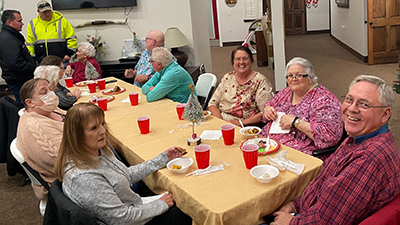
By contrast, Mr. R moved into a small assisted living home transformed from an old inn. There were 18 locals. Meals occurred at two long tables. The activity calendar was modest: card games, simple exercise, music visits, and lots of unstructured time on the patio. Within a month, personnel casually mentioned they called him "the mayor," since he welcomed everybody and assisted others discover their seats. The scale matched his temperament and made interaction easy.
Social connection in senior care depends on friendly areas, constant seating, staff who facilitate introductions, and activities that match actual abilities. A big community might use range, but if homeowners are cognitively impaired, difficult of hearing, or shy, that range can seem like noise instead of opportunity.
Myth 2: Bigger neighborhoods constantly have much better care
Families frequently correspond larger structures with more powerful scientific resources. They presume that more apartments need to require more nurses, more oversight, and much better access to medical support.
Regulations and staffing designs make complex that assumption. Assisted living is mainly a social and encouraging real estate model, not a medical one. In numerous states, guidelines enable a single nurse to supervise look after a large number of locals, particularly during daytime hours. Nights and weekends may rely heavily on caregivers with restricted scientific training, even in excellent looking communities.
In a smaller sized setting, I have actually seen the reverse of what families expect. A 24 bed residential care home may hire the same number of certified nurses as a 120 unit building, just dispersed in a different way. Ratios can be similar, but lines of communication are shorter. When just a couple of lots locals live in a building, staff member tend to understand everyone by face and by practice. They see quicker when somebody's gait looks various, when hunger fades, or when an usually cheerful resident ends up being withdrawn.
Large neighborhoods can and sometimes do provide outstanding care, specifically when they invest in training, medical management, and practical staffing ratios. The bottom line is that care quality is not guaranteed by size. It is identified by how management assigns resources and supports cutting edge staff.
One beneficial workout is to ask a specific "day in the life" concern. For example, "Stroll me through how a fall is managed here at 10 p.m. On a Sunday." If the response is unclear, extremely polished, or concentrates on policies instead of actual steps, do not let the size of the structure reassure you.
Myth 3: More facilities equate to higher quality of life
Amenities are simple to photo and market. A hair salon, fitness room, library, and multiple dining locations look outstanding. They likewise appeal to adult kids, who imagine their parent finally having access to services they themselves enjoy.
Yet quality of life in elderly care rarely hinges on the variety of facilities. It rests on whether a resident feels understood, safe, and purposeful. A library is only important if somebody assists the resident pick books they can still read. A fitness room only helps if workout is appropriately adapted. A restaurant only matters if the resident feels confident walking there and can navigate the menu.
In lots of big buildings, particular facilities see minimal real usage. The reasons vary. Locals might do not have the movement to reach remote parts of the school. The schedule of group activities might conflict with individual routines. Personnel might be too stretched to escort or motivate those who require triggering. The result is a center that looks full of alternatives however, at the specific level, provides less than it appears.
Smaller assisted living or memory care homes tend to concentrate on simpler, more repetitive enjoyments: a garden to tend, a familiar living room where the exact same group gathers each afternoon, a cooking area where the odor of soup signals lunchtime. For some older grownups, those environments feel more accessible and human scaled, even without a movie theater or café.

When large works well: the locals who genuinely benefit
There are elders who truly flourish in big neighborhoods. Comprehending who they are can help you judge whether your loved one fits that profile.
Extroverted residents who take pleasure in constant activity frequently grow in bigger settings. A retired teacher who loves clubs and group discussions may discover an abundant social life in a large assisted living campus, particularly if she is physically mobile and comfortable managing schedules and brand-new faces.
Residents with particular interests likewise benefit when a neighborhood is big enough to sustain peer groups. A bridge club, a book discussion circle, or a veterans' group requires a critical mass of participants. A structure with 10 residents is unlikely to offer that level of option. A structure with 150 homeowners might.
High functioning locals who use assisted living primarily for the benefit of meals, light housekeeping, and security often like the privacy of a larger location. They can select when to engage and when to pull back. For an independent 80 years of age who still drives and manages her own medications, a big campus can feel like a low maintenance condo with support nearby.
The difficulty is that many citizens getting in senior care today have intricate requirements, especially associated to memory loss. For those people, the benefits of scale often diminish.
The hidden expenses of bigness for individuals with dementia
Memory care within big neighborhoods frequently exists as a guaranteed wing or committed flooring. It may share staffing systems, dining services, and administrative leadership with the larger building. From an organization viewpoint, this is efficient. From a resident's viewpoint, it can be confusing.
People with dementia tend to operate much better in smaller sized, foreseeable environments. They take advantage of seeing the same caregivers daily, strolling the very same brief courses, and recognizing familiar faces. Large buildings, with long passages and many turns, can heighten disorientation. Even when memory care is technically "little" within a big campus, the surrounding scale affects staffing patterns and management priorities.
I have actually checked out memory care systems with magnificently decorated hallways, yet residents beinged in wheelchairs clustered near the nurse's station with little engagement. The building had 100 plus assisted living residents in addition to the 30 in memory care, and management attention was spread wide. Personnel on the secured system were hectic, kind, and task focused, but there was little time for tailored interaction, particularly throughout peak care times.
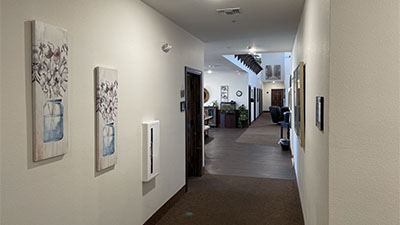
By contrast, a standalone memory care home with 16 homeowners may look modest and quiet. However, staff are rarely more than a few actions away. The ratio of residents to typical space is often kinder. The entire building is devoted to individuals with cognitive disability, so everything from lighting to signs and daily regimens can be created with that population in mind.
Families often feel guilty picking a smaller sized, simpler environment, as though they are using "less" to their loved one. For many individuals coping with dementia, the opposite is true. Less stimulation and less options, delivered regularly and calmly, can be a gift.
Respite care and the illusion of a "trial run"
Respite care is another location where big communities seem attractive. Short-term stays, often 2 to 6 weeks, let households "try out" assisted living or memory care without long term commitment. The design sounds ideal.
The issue is that respite stays in large structures can misinform. A new resident arrives, often for a short period. Staff understand this, and without meaning harm, they might invest less in deep relationship building. The person may be dealt with more like a short-term guest than a future neighbor.
In a smaller setting, even a respite guest stands out. Everyone notices the new face at breakfast. Personnel are most likely to learn their choices quickly, partly since there are less homeowners to keep straight. The resulting experience may be more representative of long term life there.
This does not mean big communities can not run outstanding respite care programs. Some do, specifically where they use respite as a true transition procedure rather than a marketing tool. Households must ask specific concerns about how respite guests are incorporated, who is responsible for their experience, and how feedback from the respite stay will shape future care planning.
What size does to staffing, routines, and flexibility
Scale affects how work is organized. In a big assisted living or senior care campus, staffing schedules are complicated. There are more departments, more managers, more rules. That complexity can support dependability but can likewise create gaps.
For example, in a large structure, housekeeping might run on a stiff rotation. If your parent misses a housekeeping visit due to the fact that they were at an appointment, the reschedule might not occur for a number of days. In a little home, the very same house cleaner who serves meals may quickly straighten a space on the same afternoon. The task descriptions blur, which can improve responsiveness but depends greatly on excellent management and a strong team culture.
Medication management uses another illustration. In big buildings, medication carts may cover lots of locals per nurse or medication aide. Rounds are long. Timing is tight. Small discrepancies, such as a resident who is sluggish to swallow tablets, can waterfall into delays. In smaller neighborhoods, med passes are often much shorter, and staff have more freedom to adjust to a person's speed, though they must still follow regulations.
Flexibility seldom includes on shiny brochures, yet families feel its absence quickly. A large neighborhood might require all citizens to register for transportation two days ahead, with limited tailored choices. A little home may collaborate on the exact same day, but only within a modest radius. Both have trade offs. The best option depends on what your loved one will in fact use.
When smaller senior living settings make more sense
Certain patterns emerge with time. Locals who tend to do better in smaller assisted living or memory care settings typically share characteristics:
They might be quickly overwhelmed by noise and activity, or have hearing loss that makes group settings tiring. They might have mid to late stage dementia, where consistent faces and easy routines matter more than variety. They might have mobility constraints that make long corridors and large dining rooms difficult. They might be historically shy, preferring a small circle of familiar people to a wide social net.
I recall one woman, a retired piano teacher with sophisticated arthritis and moderate amnesia, who had actually tried a large community and left within a month. Her daughter described her as "lost in the crowd," even though personnel were kind. She ultimately moved into a little residential care home with a piano in the common location. She played brief pieces after breakfast most days. Residents and personnel collected, silently listening or humming along. The building lacked elegant amenities, but for her, that early morning routine offered more significance than any official program could.
Comparing large and small: beyond first impressions
The most useful method to cut through myths is to compare particular features of large and little settings, not as great versus bad, however as various tools for different needs.
Here is a streamlined comparison structure that lots of families find practical:
For social environment, large neighborhoods typically offer more diverse group activities and a wider swimming pool of prospective companions, while smaller sized settings tend to foster tighter, household like relationships amongst citizens and staff. For care exposure, big schools might have more official policies and departments, whereas little homes often count on close everyday observation and casual interaction, which can catch subtle modifications quickly. For physical navigation, big buildings can be challenging for locals with movement or cognitive problems, while small homes lower walking distances and visual complexity. For facilities, big settings usually win on quantity and variety, and small settings frequently excel at turning easy, daily areas into significant centers of life. For staffing flexibility, large companies might offer more standardized services however less dexterity on private choices, whereas smaller groups can be more adaptable however depend heavily on the strength of a small staff group.The best balance depends upon your loved one's character, health, and top priorities. An outbound, healthy senior might gladly trade some intimacy for variety. A frail, silently oriented person might prefer the opposite.
Questions that reveal more than any brochure
Tours of assisted living or memory care often focus on architecture and facilities. To see past scale, you require questions that expose how a place operates at 7 a.m. On a Tuesday or 9 p.m. On a Sunday, not only at 11 a.m. When the marketing director is free.
Consider using this brief question set, whether you are visiting a large senior living school or a little residential care home:
The size of the structure will still be obvious. These questions help you look past it to the patterns of care that genuinely define daily life.
Balancing emotion, functionality, and myth
Choosing assisted living, memory care, or respite care is as much a psychological choice as a useful one. Adult children often wrestle with guilt, worry, and a desire to "do right" by their parents. Sleek big neighborhoods often feel like a method to honor a loved one's life time of work, as though more visible features equivalent greater respect.
Respect, nevertheless, is not measured in square footage. It shows up in how a caregiver speaks to a confused resident, in whether personnel make the effort to notice early signs of illness, in how birthdays are remembered, and in whether a resident feels they still have some control over their daily routine.
Large senior living neighborhoods can provide that level of dignity, however not since they are big. Smaller sized settings can provide it too, but not automatically. The misconceptions fall away once you stop assuming size predicts quality and start watching how a place takes note of the little moments.
When households pause, look beyond the lobby, and ask tough concerns about staffing, routines, and resident experience, they frequently find that the "best" option is not the one with the glitziest pamphlet. It is the one where their loved one is more than likely to be known, not simply housed.
BeeHive Homes of Andrews provides assisted living care
BeeHive Homes of Andrews provides memory care services
BeeHive Homes of Andrews provides respite care services
BeeHive Homes of Andrews supports assistance with bathing and grooming
BeeHive Homes of Andrews offers private bedrooms with private bathrooms
BeeHive Homes of Andrews provides medication monitoring and documentation
BeeHive Homes of Andrews serves dietitian-approved meals
BeeHive Homes of Andrews provides housekeeping services
BeeHive Homes of Andrews provides laundry services
BeeHive Homes of Andrews offers community dining and social engagement activities
BeeHive Homes of Andrews features life enrichment activities
BeeHive Homes of Andrews supports personal care assistance during meals and daily routines
BeeHive Homes of Andrews promotes frequent physical and mental exercise opportunities
BeeHive Homes of Andrews provides a home-like residential environment
BeeHive Homes of Andrews creates customized care plans as residents’ needs change
BeeHive Homes of Andrews assesses individual resident care needs
BeeHive Homes of Andrews accepts private pay and long-term care insurance
BeeHive Homes of Andrews assists qualified veterans with Aid and Attendance benefits
BeeHive Homes of Andrews encourages meaningful resident-to-staff relationships
BeeHive Homes of Andrews delivers compassionate, attentive senior care focused on dignity and comfort
BeeHive Homes of Andrews has a phone number of (432) 217-0123
BeeHive Homes of Andrews has an address of 2512 NW Mustang Dr, Andrews, TX 79714
BeeHive Homes of Andrews has a website https://beehivehomes.com/locations/andrews/
BeeHive Homes of Andrews has Google Maps listing https://maps.app.goo.gl/VnRdErfKxDRfnU8f8
BeeHive Homes of Andrews has Facebook page https://www.facebook.com/BeeHiveHomesofAndrews
BeeHive Homes of Andrews has an YouTube page https://www.youtube.com/@WelcomeHomeBeeHiveHomes
BeeHive Homes of Andrews won Top Assisted Living Homes 2025
BeeHive Homes of Andrews earned Best Customer Service Award 2024
BeeHive Homes of Andrews placed 1st for Senior Living Communities 2025
People Also Ask about BeeHive Homes of Andrews
What is BeeHive Homes of Andrews Living monthly room rate?
The rate depends on the level of care that is needed. We do an initial evaluation for each potential resident to determine the level of care needed. The monthly rate is based on this evaluation. There are no hidden costs or fees
Can residents stay in BeeHive Homes until the end of their life?
Usually yes. There are exceptions, such as when there are safety issues with the resident, or they need 24 hour skilled nursing services
Do we have a nurse on staff?
No, but each BeeHive Home has a consulting Nurse available 24 – 7. if nursing services are needed, a doctor can order home health to come into the home
What are BeeHive Homes’ visiting hours?
Visiting hours are adjusted to accommodate the families and the resident’s needs… just not too early or too late
Do we have couple’s rooms available?
Yes, each home has rooms designed to accommodate couples. Please ask about the availability of these rooms
Where is BeeHive Homes of Andrews located?
BeeHive Homes of Andrews is conveniently located at 2512 NW Mustang Dr, Andrews, TX 79714. You can easily find directions on Google Maps or call at (432) 217-0123 Monday through Sunday 9:00am to 5:00pm
How can I contact BeeHive Homes of Andrews?
You can contact BeeHive Homes of Andrews by phone at: (432) 217-0123, visit their website at https://beehivehomes.com/locations/andrews/, or connect on social media via Facebook or YouTube
Ace Arena provides open green space and walking areas where residents in assisted living, memory care, senior care, elderly care, and respite care can enjoy relaxed outdoor time.